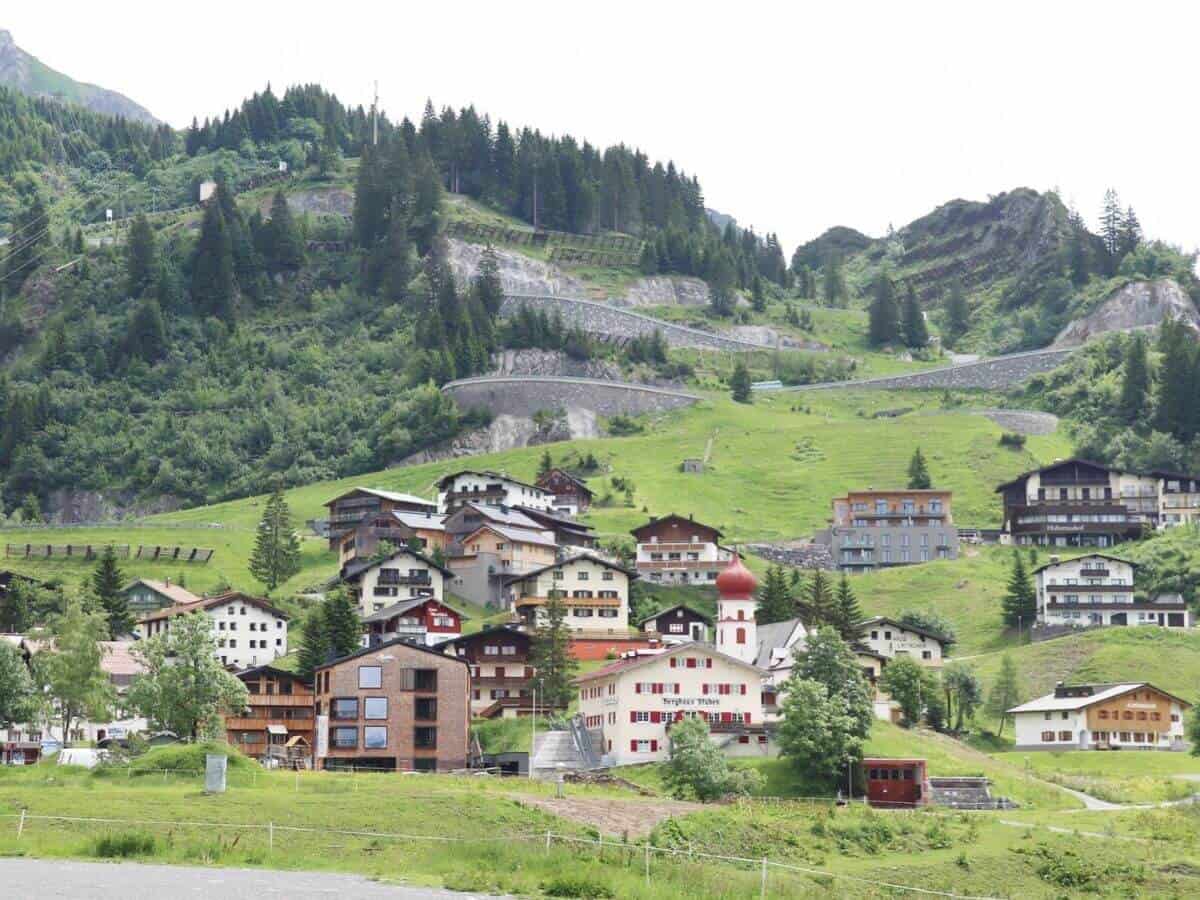
As Austrians living in the heart of the Tyrolean Alps, we are perfectly positioned to offer the best advice on driving in Austria.
We’re accustomed to all kinds of weather and road conditions you might encounter during your road trip in Austria.
Wondering about speed limits, vignettes, toll stickers, and other driving essentials in Austria?
We’ve got you covered.
Contents
What You Need To Know: Overview of Driving In Austria
| Key Takeaways | Details |
| Roads in Austria | Extensive and well-maintained; includes motorways, highways, freeways, and federal roads. Vignette toll sticker required on highways. |
| Speed Limits | – Town limits: 50 km/h (31 mph)
– Open roads/Expressways: 100 km/h (62 mph) – Motorways/highways/freeways: 130 km/h (81 mph) |
| Driving License | Valid for EU/EEA indefinitely; non-EU/EEA valid for 12 months.
International driving license recommended for non-EU/EEA. |
| Headlights | Recommended during the day, compulsory during the night. |
| Drinking And Driving | Legal limit is 0.5 mg/ml. Severe penalties for violations. |
| Seatbelts | Mandatory for all passengers. For children child safety under 1.50 m in hight or up to 14 years of age. |
| Motorbike Regulations | Helmets and daytime headlights mandatory. Toll stickers required on highways. |
| Driving Essentials | High visibility vests within reach, first-aid kits, and warning triangles required. |
| Driving in Winter | Winter tires required between November 1 and April 15. |
| Emergency Corridor | “Rettungsgasse” must be formed in traffic jams for emergency vehicles. |
| Breakdown Services | ÖAMTC or ARBÖ provide 24-hour assistance. Non-members pay a fee. |
| Fuel Types | Unleaded 91 and 95 octane, Diesel available. |
| Mobile Phone Usage | Hands-free only when driving; can be used as a navigational aid if secured. |
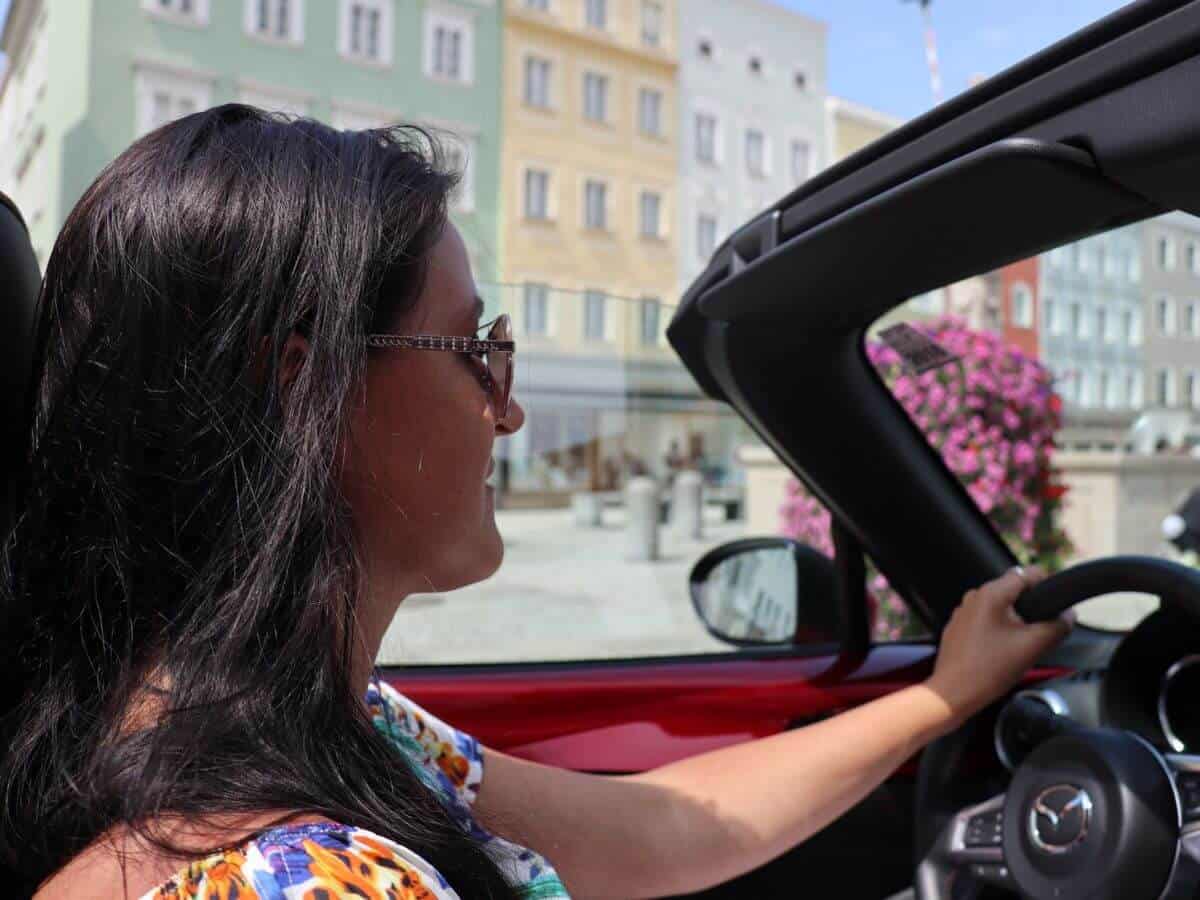
Picking the Right Rental Car in Austria
Unless you plan to drive in difficult terrain during winter in Austria, a four-wheel drive is not necessary.
We live in the mountains and manage just fine without one.
You can rent a car at the age of 18, but like in most countries, you’ll have to pay extra if you’re under 25.
Tips For Driving In Austria
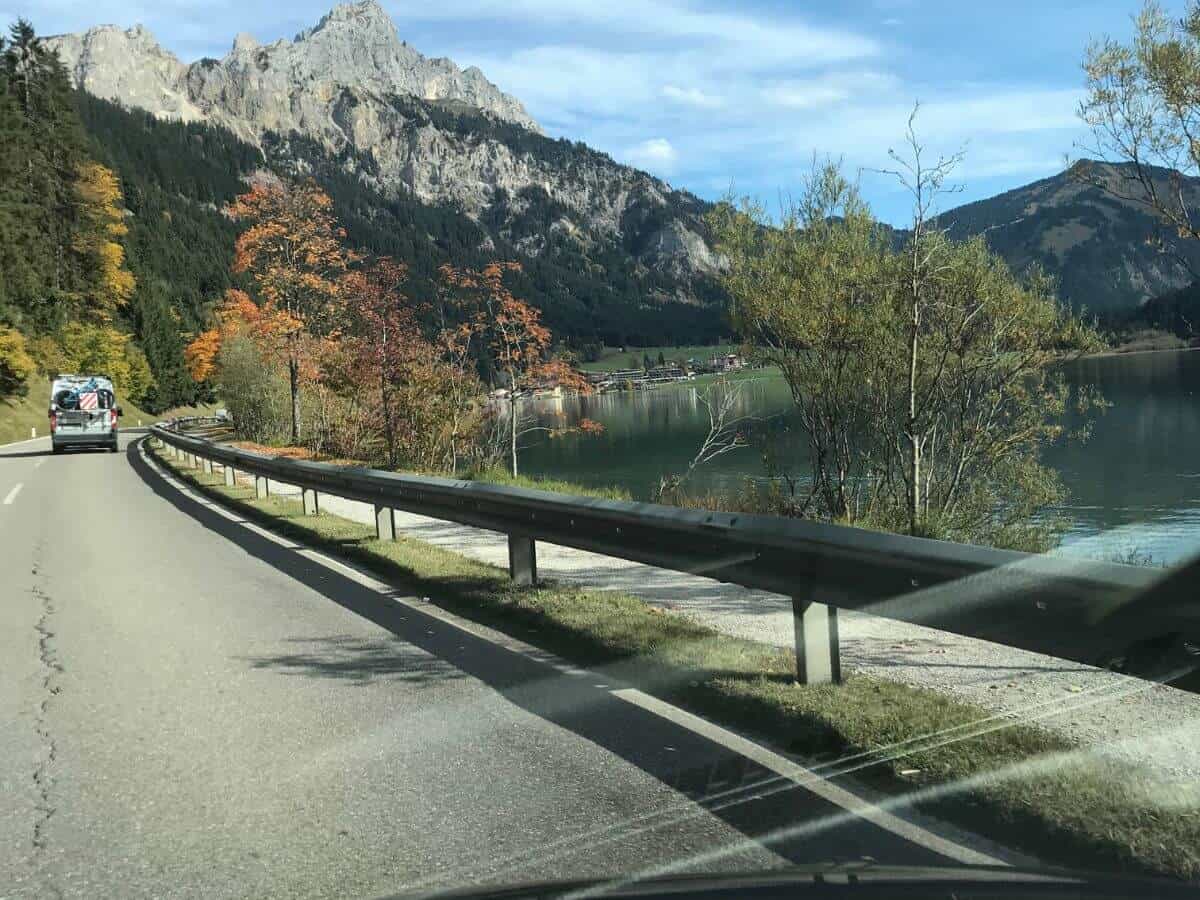
Austria has some of the best roads in Europe. They are well-maintained, allowing easy access to nearly every area.
Many parts of Austria, including where we live, are remote, making it best to explore the country by car.
Unless you’re only visiting major cities like Vienna, Graz, Salzburg, or Innsbruck, consider planning a road trip.
While trains connect most of the cities in Austria, traveling by car is much faster, especially if you want to see the breathtaking mountains or more rural areas.
How Are The Road Conditions In Austria
Austria has some of the best-maintained roads in Europe.
The main cities and many areas are connected through motorways and highways.
Other than that, there is an extensive network of roads between the regions and areas.
Good to know: As in every other country of Europe as well except for Great Britain and Ireland, you drive on the right side of the road.
What Are The Speed Limits In Austria?
The town limit in Austria is 50 km/h (31 mph).
On open roads or expressways, you’re allowed to drive 100 km/h (62 mph).
On motorways, highways, and freeways, which are called “Autobahn”, you can drive 130 km/h (81 mph).
If you see a sign on the Autobahn “IG-L”, make sure to drive only 100 km/h (81 mph). The fines are high if you drive faster.
Do you need a vignette (toll sticker) in Austria?
Yes, you need a vignette, a toll sticker, on the Autobahn in Austria.
If you don’t have a vignette on the car (a toll sticker or a digital one), you have to pay a high fine.
If you rent a car, ask them if a vignette for Austria is included.
If not, you can purchase them at the gas stations or in the traffic (a store where you can buy cigarettes and magazines).
The vignette is available for 10 days, 2 months, or a year.
What To Do During Traffic Jams?
When you’re in a traffic jam, we have something called “Rettungsgasse” in Austria.
So if you have to stop your car, or traffic is moving very slowly, and you’re in a traffic lane, you must create a safety passage.
This means you should drive as far to the right side as possible.
This way, emergency services, police, and firefighters can quickly pass through the middle of the road.
The same applies to the Autobahn (freeway).
In this case, if you’re in the right lane, steer your car to the right, and if you’re in the left lane, move as far to the left side as possible.
Driving Licence
In Austria, you must be 18 years old to drive a car. There are some exceptions, but they only apply to Austrians.
If you have a foreign driving license, the following rules apply:
- Valid indefinitely for EU/EEA licenses; non-EU/EEA licenses are valid for 12 months.
- An international driving license is recommended for non-EU/EEA drivers.
What Do You Need In Your Car?
In Austria, you need a safety jacket for every passenger, stored close to the driver.
In the event of an accident, you must wear them when exiting the car.
A safety kit and a warning triangle are also necessary and should be kept in the trunk.
You also need to carry the car’s registration papers and your driving license.
Do You Need Winter Tires?
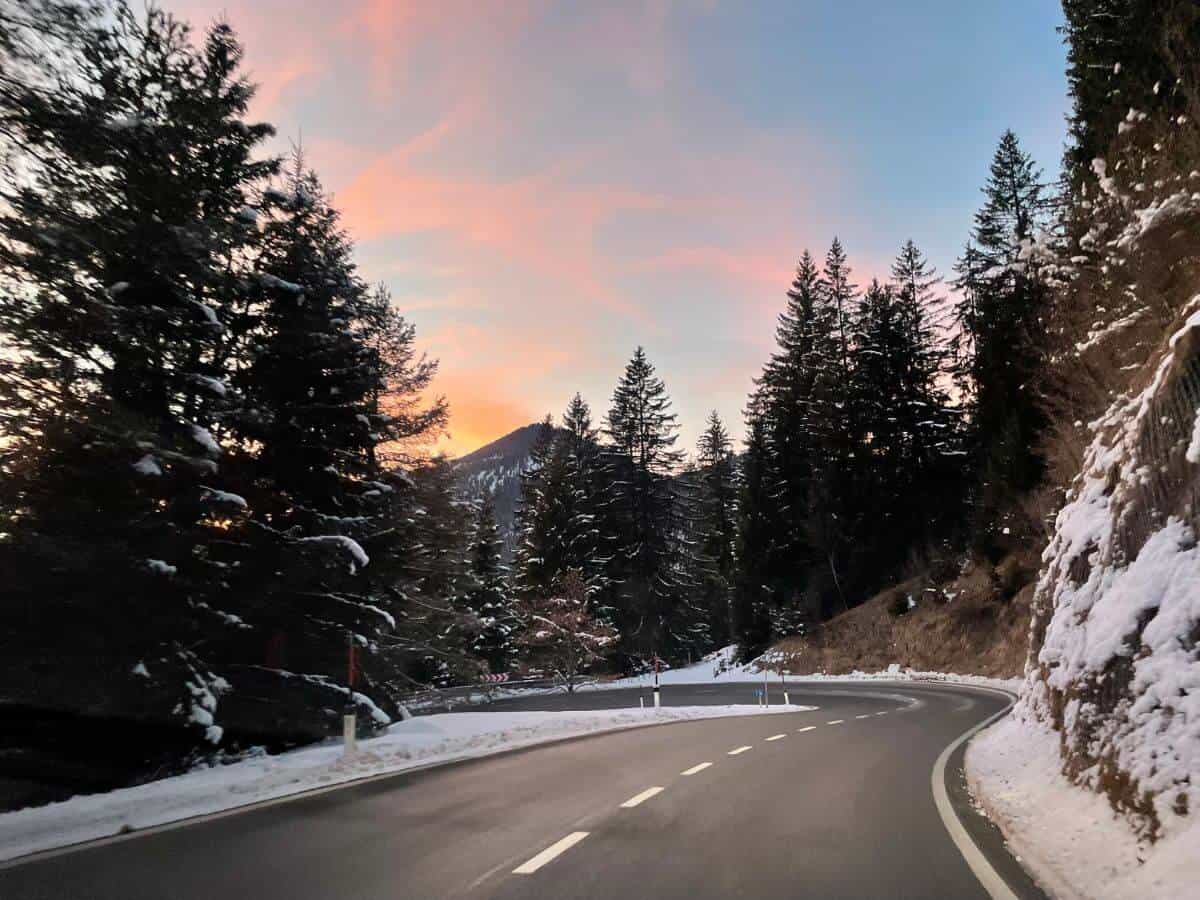
Yes, you need winter tires in Austria.
From November 1 to April 15, winter tires are mandatory in Austria.
Driving In Austria In Winter
The roads in Austria in Winter are well-maintained.
If you have the mandatory winter tires, you should be fine. As we receive less snow in Austria than in the past, most roads are free of snow.
If the roads are covered in snow, drive accordingly to the conditions, and you will have a great time.
Before you start driving, make sure to remove snow or ice from your windows, your lights, number plates, and your roof.
Driving under the influence of alcohol or drugs in Austria
The legal blood alcohol limit in Austria is 0.05%. Driving under the influence of drugs is strictly prohibited.
Driving As A Tourist In Austria
We have breathtaking landscapes, mountains, and lakes in Austria.
So we understand why some tourists like to drive slowly and enjoy the scenic drives.
However, please remember that especially in rural areas, locals use these roads to commute to work or school.
If you find something interesting, please pull over at a designated parking spot to enjoy the view.
Avoid obstructing traffic. The locals will appreciate your consideration.
Final Thoughts About Driving In Austria
We’ve shared everything you need to know to drive safely in Austria.
Some of the essential information is in the key takeaways table, and we’ve provided additional explanations throughout.
Driving in Austria is generally easy due to the well-maintained roads.
However, one challenge might be the scarcity of English road signs, as they are predominantly in German.
On the Autobahn, you’ll occasionally find signs in English, but navigating through our beautiful country shouldn’t be a problem.
If you have more questions or need additional driving tips, please leave a comment. We’re happy to help!
You find more travel tips about Austria here: Austria Travel Tips
zuletzt aktualisiert am September 14, 2026